The Environmental Impact of Moringa: Why It’s the World’s Most Sustainable Superfood
In today’s world—where climate change, deforestation, and unsustainable farming practices threaten our planet—the search for eco-friendly superfoods has never been more urgent. Among the many contenders, moringa, often called the “miracle tree,” stands out as a true beacon of sustainability.
Known for its nutrient-rich leaves, seeds, and pods, moringa is not only a powerhouse of wellness but also a champion of environmental resilience. This blog explores the environmental impact of moringa, why it is considered the world’s most sustainable superfood, and how Herbaleco’s mission aligns with promoting sustainable moringa cultivation for a greener future.
What Makes Moringa Sustainable?
Minimal Water Requirements
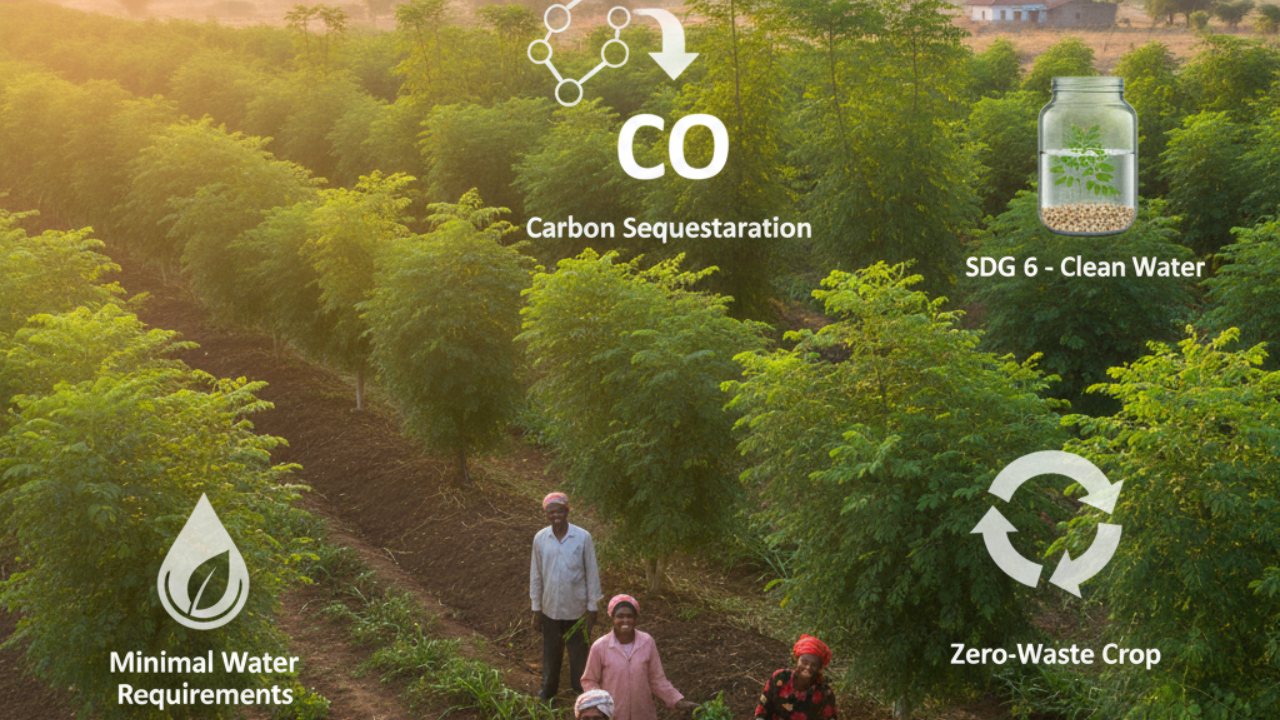
Moringa thrives in arid and semi-arid regions, making it ideal for areas facing water scarcity. Unlike water-intensive crops such as rice or almonds, moringa requires very little irrigation. Its natural drought resistance allows it to flourish where many crops fail.
Soil Regeneration
Moringa trees actively improve soil health. Their nutrient-rich leaves fall and decompose naturally, enriching the soil. Deep root systems prevent erosion, enhance groundwater recharge, and make moringa a valuable addition to crop rotation systems as a natural soil enhancer.
Carbon Sequestration
Moringa trees absorb significant amounts of carbon dioxide, helping mitigate the effects of climate change. Studies suggest that moringa plantations can capture more carbon per hectare than many conventional crops, making them powerful allies in climate action.
A Zero-Waste Crop
Every part of the moringa tree has value—leaves, seeds, pods, bark, and even roots. This zero-waste nature reduces agricultural waste while maximizing resource efficiency, setting moringa apart from many commercial crops.
The Role of Moringa in Climate-Resilient Agriculture
Supporting Small Farmers
Moringa grows easily on marginal land, empowering farmers in drought-prone regions. It provides a reliable source of income without heavy dependence on fertilizers or pesticides, making it accessible and economically sustainable.
Agroforestry Benefits
Moringa integrates seamlessly into agroforestry systems. It provides shade, improves biodiversity, and serves as a natural windbreak—supporting healthier and more resilient farming ecosystems.
Reduced Dependence on Chemical Inputs
Thanks to its natural pest-resistant properties, moringa requires fewer chemical pesticides. Its leaves can also be used as organic fertilizer, promoting regenerative and eco-friendly farming practices.
Moringa and the Global Sustainability Goals
Moringa cultivation contributes directly to several United Nations Sustainable Development Goals (SDGs):
- SDG 2 – Zero Hunger: Nutrient-dense moringa helps combat malnutrition
- SDG 6 – Clean Water: Moringa seeds naturally purify water
- SDG 12 – Responsible Consumption and Production: Zero-waste crop model
- SDG 13 – Climate Action: Carbon sequestration and drought resistance
- SDG 15 – Life on Land: Soil regeneration and biodiversity support
Eco-Friendly Superfoods: Why Moringa Leads the Pack
While many superfoods are marketed as sustainable, few match moringa’s holistic environmental benefits:
- Almonds: Linked to water shortages in California
- Avocados: Associated with deforestation in Latin America
- Quinoa: Rising demand has disrupted traditional farming communities
- Moringa: Grows sustainably, regenerates ecosystems, and empowers farmers
Moringa doesn’t just consume fewer resources—it actively heals the land it grows on.
Herbaleco’s Mission: Championing Sustainable Moringa
At Herbaleco, sustainability isn’t a trend—it’s a commitment. The brand is dedicated to:
- Promoting eco-friendly superfoods like moringa
- Partnering with farmers to ensure ethical and sustainable cultivation
- Educating consumers about the environmental benefits of moringa
- Building a global brand rooted in authenticity, sustainability, and farmer empowerment
The Science Behind Moringa’s Environmental Impact
Natural Water Purification
Moringa seeds contain natural coagulants that help purify contaminated water, reducing reliance on chemical treatment methods and supporting clean water access.
Biodiversity Enhancement
Moringa plantations attract pollinators such as bees and coexist harmoniously with other crops, enhancing local biodiversity and ecosystem balance.
Renewable Energy Potential
Moringa oil can be used as a biofuel, offering a promising renewable energy source that supports sustainable energy initiatives.
Consumer Awareness: Choosing Sustainable Moringa
Consumers play a crucial role in shaping sustainable food systems. By choosing moringa products, you support eco-friendly agriculture and encourage more farmers to adopt regenerative practices.
Herbaleco’s moringa powders, supplements, and teas reflect this mission—bringing sustainability from the farm directly to your lifestyle.
The Future of Moringa in Global Food Systems
Moringa is poised to become a cornerstone of sustainable diets worldwide. Its adaptability makes it a key crop for climate-resilient agriculture, and as awareness grows, moringa has the potential to replace resource-heavy superfoods in global markets.
Moringa: The World’s Most Sustainable Superfood
Moringa is more than a nutrient-rich plant—it is a symbol of environmental hope. Its ability to thrive in harsh conditions, regenerate soil, sequester carbon, and provide food security makes it truly unparalleled among superfoods.
For Herbaleco, moringa is not just a product—it’s a mission. By championing sustainable moringa, we contribute to a healthier planet, empowered farmers, and a more eco-conscious future.