The Miracle Tree for Health, Nutrition, and Sustainability
Moringa oleifera, often called the miracle tree or drumstick tree, has captured global attention as one of the most nutrient dense plants known to humanity. From ancient Ayurvedic medicine to modern wellness supplements, Moringa has been celebrated for its ability to nourish, heal, and sustain. This blog explores Moringa in depth its origins, nutritional profile, health benefits, environmental impact, cultural significance, and future potential making it a complete guide for readers interested in superfoods, sustainability, and holistic health.
1. Origins and History of Moringa
Moringa’s story begins in the foothills of the Himalayas in northern India. Ancient civilizations recognized its value not only as food but also as medicine. Ayurvedic texts describe Moringa as a remedy for over 300 ailments, ranging from digestive issues to skin conditions.
As trade routes expanded, Moringa spread across Africa, Southeast Asia, and Latin America. In Africa, it became a vital crop to combat malnutrition. In the Philippines, known locally as malunggay, it became a household vegetable. In India, drumstick pods are a staple in curries and soups. This global journey highlights Moringa’s adaptability and cultural significance.
2. Botanical Profile
- Scientific name: Moringa oleifera
- Family: Moringaceae
- Growth: Fast growing, drought resistant, reaching 10–12 meters in height.
- Appearance: Slender tree with feathery leaves, long pods, and small white flowers.
- Resilience: Thrives in poor soils and arid climates, making it a lifeline in regions prone to drought.
Its ability to grow in challenging environments has earned it the nickname tree of life.
3. Nutritional Richness
Moringa is often compared to other superfoods, but its nutrient density sets it apart.
- Leaves:
- Vitamin A for vision and immunity
- Vitamin C for collagen production and defense against infections
- Vitamin E for skin health
- Calcium, potassium, and iron for bone strength and energy
- Complete protein with all essential amino acids
- Pods (drumsticks):
- Rich in vitamin C
- Commonly used in Indian cuisine
- Seeds:
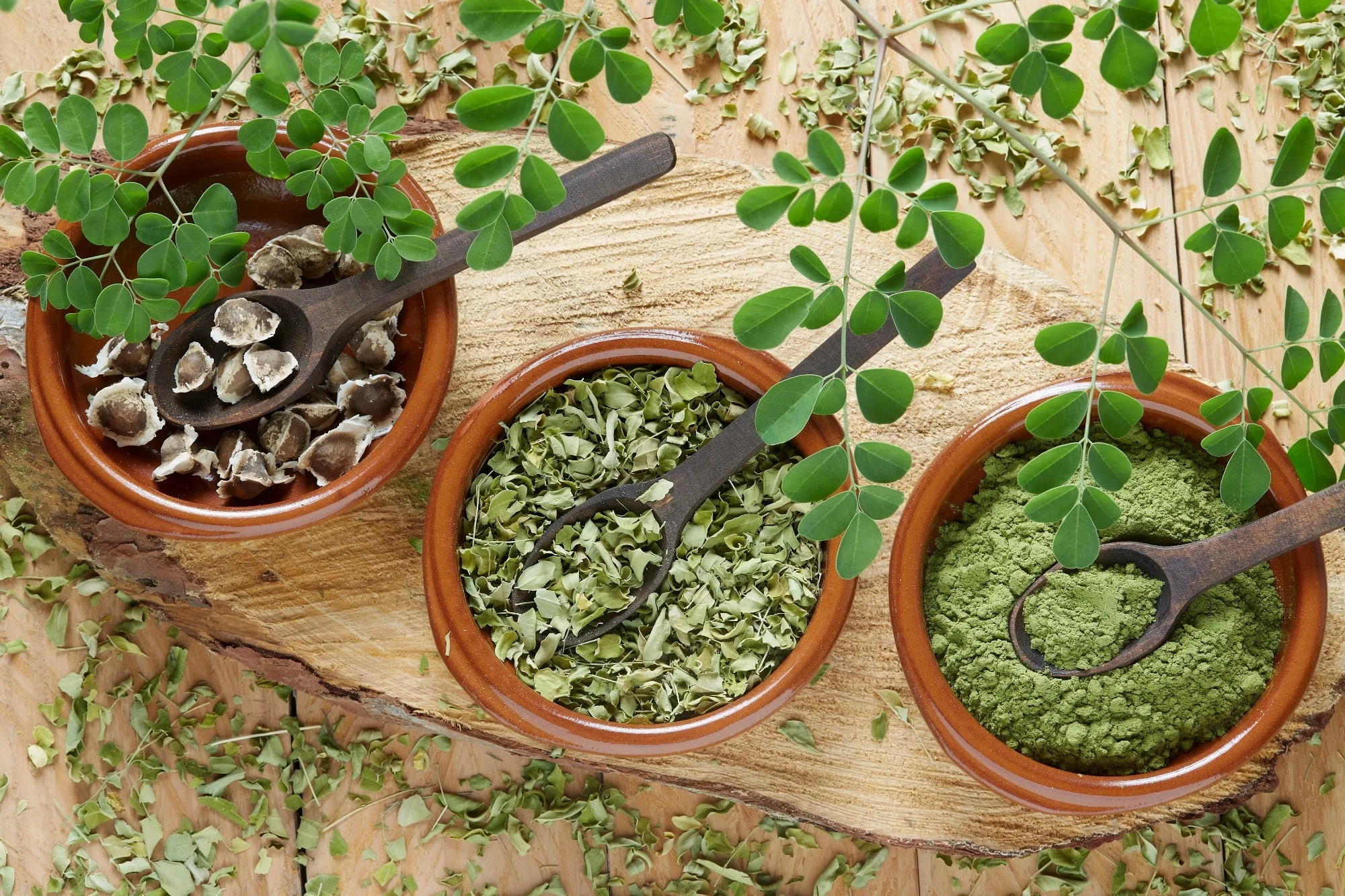
- Yield ben oil, a clear, edible oil rich in antioxidants
- Used in cooking and cosmetics
Compared to spinach, kale, and other greens, Moringa leaves often contain higher concentrations of vitamins and minerals, making them a powerful addition to diets worldwide.
4. Health Benefits
4.1 Boosting Immunity
Moringa’s antioxidants, including quercetin and chlorogenic acid, help neutralize free radicals, strengthening the immune system.
4.2 Supporting Bone and Joint Health
High calcium and phosphorus levels promote bone density, while anti inflammatory compounds reduce joint pain.
4.3 Managing Blood Sugar
Research suggests Moringa leaf powder may lower blood sugar levels, offering hope for managing diabetes naturally.
4.4 Enhancing Digestive Health
Its fiber content supports gut health, prevents constipation, and aids nutrient absorption.
4.5 Skin and Hair Care
Moringa oil moisturizes skin, reduces wrinkles, and strengthens hair follicles. Cosmetic industries increasingly use Moringa extracts in creams and shampoos.
4.6 Combating Malnutrition
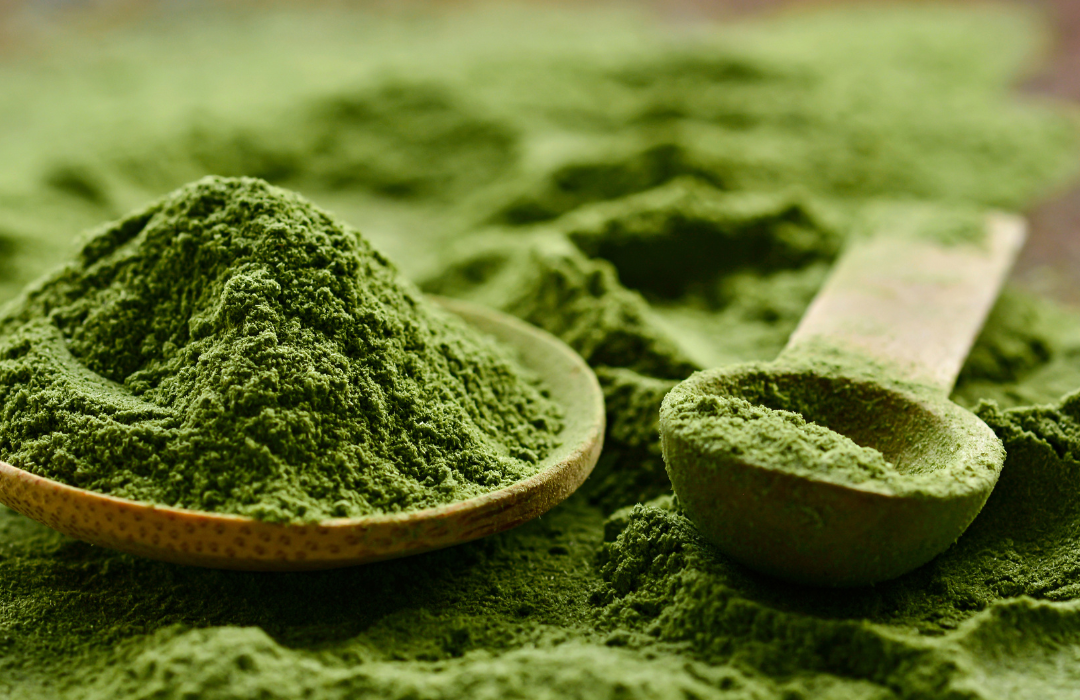
In regions facing food insecurity, Moringa leaves are dried into powder and added to porridge or soups, providing essential nutrients to children and nursing mothers.
5. Environmental and Agricultural Benefits
Moringa is not just a superfood; it’s also an eco friendly crop.
- Drought resistance: Thrives in arid climates, ensuring food security.
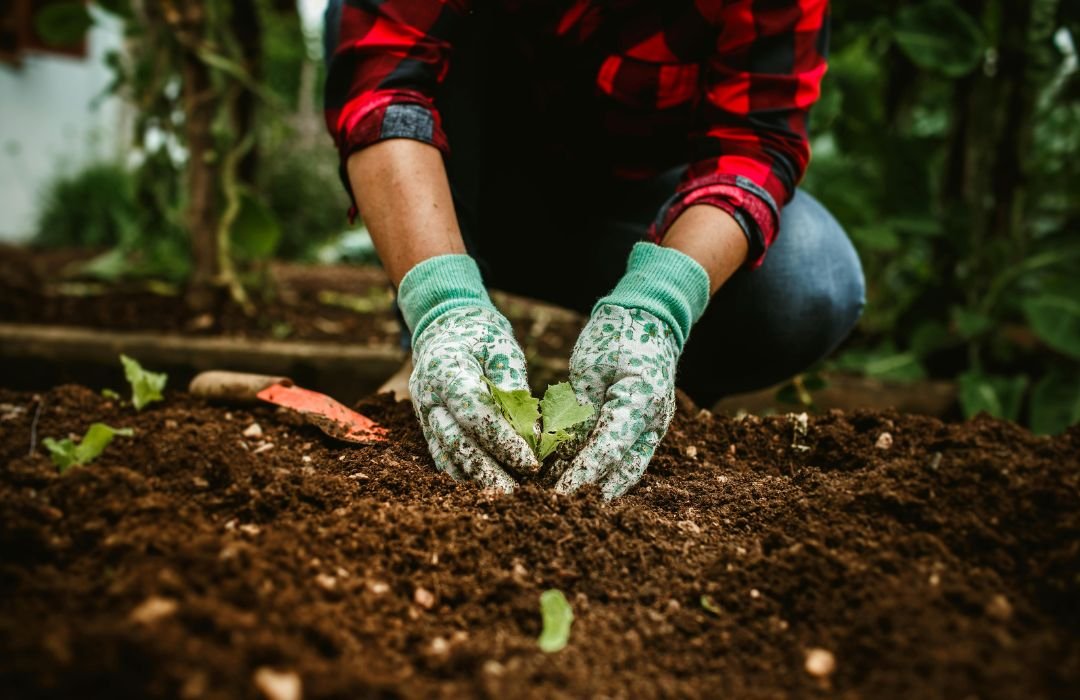
- Soil enrichment: Leaves used as green manure improve soil fertility.
- Water purification: Crushed seeds act as natural coagulants, clarifying turbid water.
- Sustainability: Requires minimal water and grows rapidly, making it ideal for climate resilient farming.
6. Culinary Uses
Moringa’s versatility extends to kitchens worldwide.
- India: Drumstick pods in sambar and curries.
- Philippines: Leaves in tinola soup.
- Africa: Leaf powder added to porridge.
- Modern wellness: Smoothies, teas, capsules, and protein powders.
Its mild flavor makes it easy to incorporate into daily meals without overpowering other ingredients.
7. Traditional Medicine and Modern Research
Ayurveda praises Moringa for balancing vata, pitta, and kapha doshas. African folk medicine uses it for malaria, hypertension, and infections.
Modern research validates many of these claims, confirming Moringa’s antioxidant, anti inflammatory, and antimicrobial properties. Clinical trials continue to explore its role in managing chronic diseases like diabetes and cardiovascular conditions.
8. Economic and Social Impact
Moringa cultivation provides livelihoods for farmers in Asia and Africa. Women often lead cooperatives that process Moringa leaves into powder, empowering communities economically.
The global market for Moringa supplements, teas, and cosmetics has grown into a multi million dollar industry, reflecting rising demand for natural wellness products.
9. Risks and Precautions
While Moringa is safe in moderation, excessive intake may cause digestive upset. Roots and bark contain alkaloids that can be toxic in large amounts. Pregnant women should consult healthcare providers before consuming Moringa, as certain compounds may not be safe.
10. Future of Moringa
Moringa’s potential is vast:
- Food security: A solution to malnutrition in vulnerable regions.
- Climate resilience: A sustainable crop for arid lands.
- Scientific exploration: Ongoing research into its role in chronic disease management.
- Global wellness trend: Increasing popularity in health foods, supplements, and skincare.
Conclusion
Moringa is more than a plant; it is a symbol of nourishment, resilience, and sustainability. From ancient remedies to modern superfoods, Moringa bridges tradition and innovation. Its ability to thrive in harsh conditions while offering immense nutritional and medicinal value makes it a cornerstone in the fight against malnutrition and climate challenges.
As awareness grows, Moringa may well become a staple in global diets, not only as a health booster but also as a sustainable solution for communities worldwide.