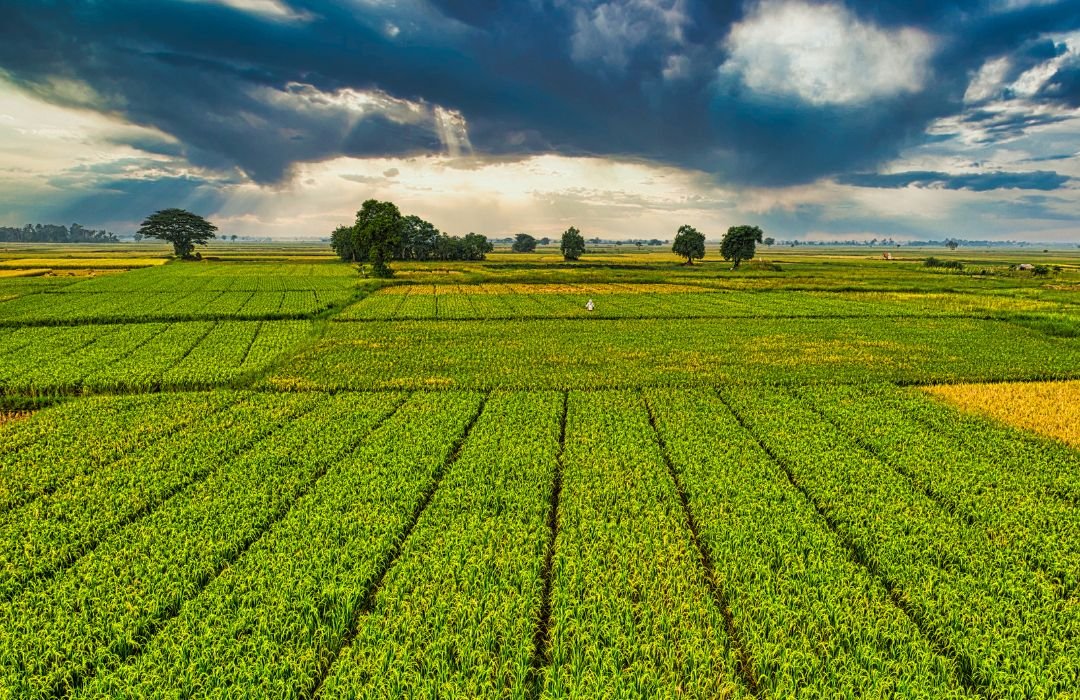
Organic Farming in India: A Complete Professional Guide for 2026.
Organic farming has emerged as one of the most transformative agricultural movements in India. As consumers become increasingly aware of food safety, soil health and environmental sustainability, organic agriculture is rapidly shifting from a niche practice to a mainstream necessity.
India, with its rich agricultural heritage and diverse climatic zones, is uniquely positioned to lead the global organic revolution. This comprehensive guide explores the principles, methods, benefits, challenges and future of organic farming in India.
1. What Is Organic Farming?
Organic farming is a holistic agricultural system that avoids synthetic fertilizers, pesticides, genetically modified organisms and harmful chemicals. Instead, it relies on natural processes, ecological balance and biodiversity to maintain soil fertility and crop health.
Core Characteristics of Organic Farming
- Use of natural fertilizers
- Biological pest control
- Crop rotation and diversification
- Soil conservation
- Water efficient practices
- Zero chemical residues
Organic farming is not just a technique. It is a philosophy rooted in sustainability, purity and long term ecological balance.
2. Evolution of Organic Farming in India
India has a long tradition of natural farming practices. Before the Green Revolution, Indian agriculture relied heavily on cow dung, compost and indigenous knowledge systems.
Key Milestones in India’s Organic Journey
- 2000: Launch of the National Programme for Organic Production
- 2015: Introduction of Paramparagat Krishi Vikas Yojana
- 2016: Sikkim becomes the world’s first fully organic state
- 2020 to 2025: Rapid growth in organic exports and domestic demand
Today, India has the highest number of organic farmers globally, positioning it as a leader in sustainable agriculture.
3. Why Organic Farming Matters Today
Environmental Benefits
- Reduces soil degradation
- Prevents water contamination
- Enhances biodiversity
- Reduces greenhouse gas emissions
Health Benefits
- No chemical residues
- Higher antioxidant content
- Improved nutritional quality
Economic Benefits
- Premium pricing
- Export opportunities
- Lower dependency on external inputs
Social Benefits
- Farmer empowerment
- Rural employment
- Sustainable livelihoods
Organic farming is essential for long term food security and ecological stability.
4. Key Principles of Organic Agriculture
Organic farming follows four globally recognized principles.
Health
Healthy soil produces healthy crops and healthier humans.
Ecology
Farming must work in harmony with natural ecosystems.
Fairness
Respect for farmers, animals, workers and consumers.
Care
Long term sustainability is prioritized over short term gains.
These principles form the foundation of Herbaleco’s sourcing philosophy.
5. Organic Farming Methods
Crop Rotation
Prevents nutrient depletion and breaks pest cycles.
Intercropping
Enhances biodiversity and improves soil fertility.
Green Manuring
Improves soil structure and nitrogen levels.
Mulching
Reduces water loss and suppresses weed growth.
Biological Pest Control
Uses natural predators and plant based extracts.
Organic Inputs
Compost, cow dung, biofertilizers and herbal sprays.
6. Soil Management Techniques
Soil is the foundation of organic farming. Healthy soil contains organic matter, microorganisms and essential nutrients.
Composting
Decomposed organic matter improves soil structure and fertility.
Vermicomposting
Earthworms convert organic waste into nutrient rich castings.
Green Manure Crops
Sunhemp, cowpea and dhaincha enrich soil organic matter.
Biofertilizers
Azotobacter, Rhizobium and Phosphate Solubilizing Bacteria enhance nutrient availability.
Soil Testing
Ensures balanced and precise nutrient management.
7. Water Conservation Practices
Water scarcity is a major challenge in Indian agriculture. Organic farming promotes water saving techniques such as:
- Drip irrigation
- Sprinkler systems
- Mulching
- Rainwater harvesting
- Contour farming
Improved soil organic matter increases water holding capacity and reduces irrigation needs.
8. Natural Pest and Disease Management
Organic farming avoids synthetic pesticides and relies on ecological solutions.
Biopesticides
- Neem oil
- Garlic extract
- Chili spray
- Bacillus thuringiensis
Beneficial Insects
- Ladybugs
- Parasitic wasps
- Spiders
Trap Crops
- Marigold
- Mustard
- Castor
Cultural Practices
- Proper spacing
- Timely sowing
- Field sanitation
9. Organic Fertilizers and Bio Inputs
Organic fertilizers improve soil fertility naturally and sustainably.
Common Organic Fertilizers
- Farmyard manure
- Vermicompost
- Bone meal
- Seaweed extract
- Panchagavya
- Jeevamrut
These inputs release nutrients slowly while supporting soil life.
10. Organic Certification in India
Certification ensures authenticity, safety and traceability.
Major Certification Systems
- National Programme for Organic Production
- Participatory Guarantee System India
- USDA Organic for exports
Certification Requirements
- Three year conversion period
- No chemical inputs
- Regular soil testing
- Farm inspections
- Record keeping
11. Government Schemes Supporting Organic Farming
- Paramparagat Krishi Vikas Yojana for organic clusters
- Mission Organic Value Chain Development for North Eastern Region
- National Mission for Sustainable Agriculture
- Rashtriya Krishi Vikas Yojana for value chain development
12. Economic Viability and Profitability
Organic farming can be economically viable due to:
- Lower input costs
- Premium pricing ranging from 20 to 50 percent
- Export demand
- Rapidly growing domestic market
Crops such as moringa, wheatgrass, turmeric and ashwagandha offer high returns.
13. Challenges Faced by Organic Farmers
- Lower yields during initial transition
- Certification costs
- Market access challenges
- Limited awareness
- Pest management difficulties
Brands like Herbaleco help overcome these challenges through farmer training, fair pricing and long term partnerships.
14. Future of Organic Farming in India
The future of organic farming in India is promising due to:
- Rising health awareness
- Climate resilient farming requirements
- Strong government support
- Growing export opportunities
- Increasing demand for superfoods
India is well positioned to become a global organic powerhouse.
15. Herbaleco’s Role in Promoting Organic Agricultur
Herbaleco is committed to:
- Purity through organic sourcing
- Farmer empowerment through training and fair pricing
- Sustainability through regenerative farming and eco friendly packaging
- Transparency with complete traceability from farm to consumer
Herbaleco is building a healthier world through ethical sourcing and sustainable agriculture.