Step-by-Step Guide to Starting an Organic Farm Business in India (2026 Edition)
Organic farming is no longer just a trend. It has become a powerful movement shaping the future of agriculture in India. With rising consumer demand for chemical free food, increasing awareness of soil health and strong government support, organic farming presents a profitable and sustainable business opportunity for both new and experienced farmers.
India has the largest number of organic farmers in the world, and the demand for organic produce, especially superfoods such as moringa, wheatgrass, ashwagandha, turmeric and giloy, continues to grow rapidly.
For entrepreneurs, agripreneurs and wellness brands like Herbaleco, organic farming offers a unique opportunity to build a sustainable, ethical and profitable business.
This comprehensive guide provides a clear step by step roadmap to starting an organic farm business in India, covering planning, land selection, certification, crop selection, investment, marketing and long term sustainability.
1. Why Start an Organic Farm Business in India?
Organic farming is one of the fastest growing agricultural sectors in the country.
Rising Consumer Demand
Consumers across urban and rural India are actively shifting toward chemical free and naturally grown food.
Higher Profit Margins
Organic produce often sells at a premium of twenty to fifty percent compared to conventional produce.
Export Opportunities
There is strong global demand for organic spices, herbs and superfoods.
Government Support
Schemes such as Paramparagat Krishi Vikas Yojana, Mission Organic Value Chain Development for the North Eastern Region and the National Mission for Sustainable Agriculture actively promote organic farming.
Sustainable and Eco Friendly
Organic farming restores soil health, conserves water and protects the environment.
2. Step 1: Understand Organic Farming Principles
Before starting an organic farm, it is essential to understand its core principles.
Health
Healthy soil leads to healthy crops and healthier humans.
Ecology
Farming should work in harmony with natural ecosystems.
Fairness
Respect for farmers, animals, workers and consumers.
Care
Long term sustainability should take priority over short term profit.
Organic farming is not just a technique. It is a holistic agricultural system.
3. Step 2: Choose the Right Land
Land selection plays a critical role in organic farming success.
Soil Type
Loamy soil with good drainage is ideal for most organic crops.
Soil Testing
Test soil pH, organic carbon and nutrient levels before planting.
Avoid Contaminated Areas
Choose land away from industrial zones and polluted water sources.
Water Availability
Ensure access to clean and reliable irrigation water.
Surrounding Environment
Farms surrounded by heavy chemical farming may face contamination risks.
4. Step 3: Select High Demand Organic Crops
Crop selection should be based on market demand, climate, soil type and profitability.
High Demand Organic Crops in India
- Moringa
- Wheatgrass
- Turmeric
- Ashwagandha
- Ginger
- Aloe vera
- Millets
- Leafy greens
- Pulses
Superfoods offer the highest profitability and export potential.
5. Step 4: Prepare the Soil Organically
Soil preparation is the foundation of organic farming.
Add Organic Matter
Use compost, farmyard manure and vermicompost.
Green Manuring
Grow crops such as sunhemp or cowpea and plough them back into the soil.
Mulching
Retains moisture, suppresses weeds and improves soil health.
Biofertilizers
Use Rhizobium, Azotobacter and phosphate solubilizing bacteria.
Healthy soil produces nutrient dense crops.
6. Step 5: Set Up Water Management Systems
Efficient water management improves productivity and profitability.
Drip Irrigation
Reduces water use and lowers disease risk.
Rainwater Harvesting
Improves long term water availability.
Mulching
Reduces evaporation and improves soil moisture.
Contour Farming
Prevents soil erosion in hilly and sloped regions.
7. Step 6: Use Natural Pest and Disease Control
Organic farming avoids synthetic pesticides.
Neem Oil
Effective against more than two hundred pests.
Garlic and Chili Sprays
Repel insects naturally.
Biological Control
Encourage ladybugs, spiders and parasitic wasps.
Trap Crops
Marigold, mustard and castor help divert pests.
Herbal Decoctions
Neem, tulsi and cow urine based formulations control pests naturally.
8. Step 7: Choose Organic Fertilizers and Inputs
Organic fertilizers improve soil fertility and microbial activity.
Recommended Organic Inputs
- Vermicompost
- Farmyard manure
- Bone meal
- Seaweed extract
- Panchagavya
- Jeevamrut
- Compost tea
These inputs ensure slow and steady nutrient release.
9. Step 8: Get Organic Certification
Certification increases trust and market value.
Certification Bodies
- National Programme for Organic Production (India Organic)
- Participatory Guarantee System India
- USDA Organic for export markets
Certification Requirements
- Three year conversion period
- No chemical usage
- Regular soil testing
- Farm inspections
- Detailed record keeping
10. Step 9: Estimate Investment and Profitability
Initial Investment Includes
- Land preparation
- Irrigation systems
- Organic inputs
- Labor
- Certification costs
Profitability Outlook
Organic farming offers lower input costs, higher selling prices, long term soil fertility and strong export demand. Superfoods such as moringa and turmeric offer high return on investment.
11. Step 10: Build a Marketing and Sales Strategy
Marketing is essential for success.
Direct to Consumer Sales
- Farmers markets
- Organic retail stores
- Online platforms
Business to Business Sales
- Wellness brands
- Supplement manufacturers
- Exporters
Branding Focus
Highlight organic certification, purity, sustainability and traceability.
12. Step 11: Create Value Added Organic Products
Value addition significantly increases profitability.
Examples of Value Added Products
- Moringa powder
- Wheatgrass powder
- Turmeric capsules
- Ashwagandha tablets
- Herbal teas
- Organic juices
Herbaleco specializes in premium value added superfoods.
13. Step 12: Build Long Term Sustainability
Long term success depends on sustainable practices.
Crop Rotation
Prevents nutrient depletion.
Intercropping
Improves biodiversity and soil health.
Regular Soil Testing
Ensures balanced nutrient management.
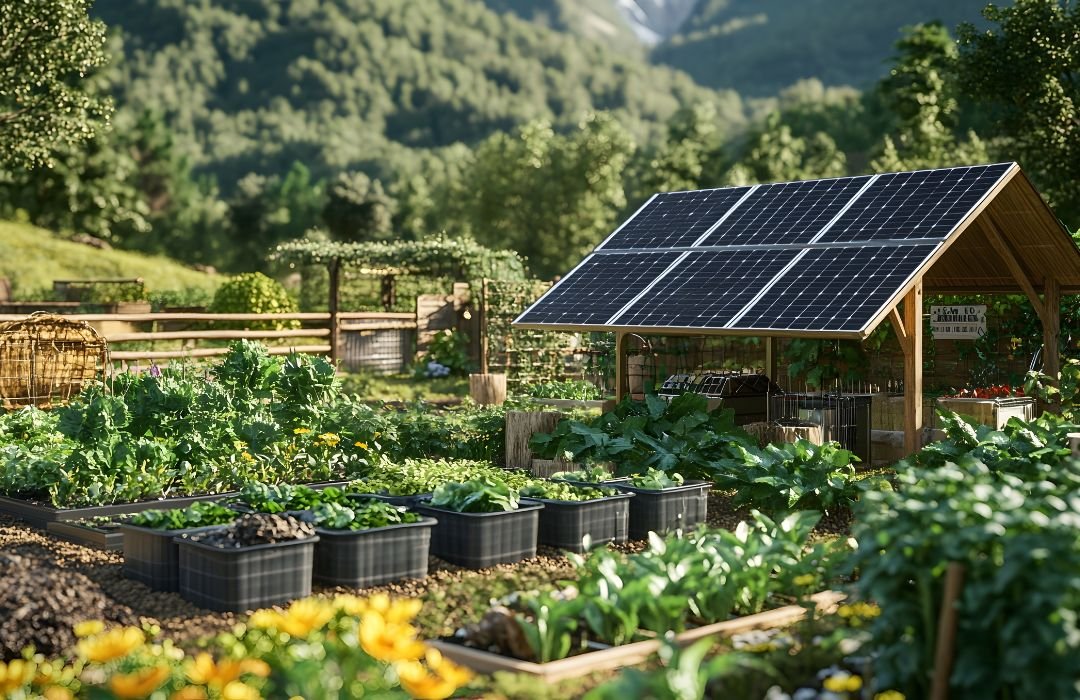
Renewable Energy
Solar pumps and solar dryers reduce operational costs.
14. Government Schemes Supporting Organic Farming
Key schemes include:
- Paramparagat Krishi Vikas Yojana
- Mission Organic Value Chain Development for the North Eastern Region
- National Mission for Sustainable Agriculture
- Rashtriya Krishi Vikas Yojana
15. Herbaleco’s Role in Supporting Organic Farmers
Herbaleco empowers organic farmers through training in organic methods, fair pricing, long term partnerships, ethical sourcing, sustainable packaging and strict quality testing.
Herbaleco ensures purity from farm to consumer.
Conclusion
Starting an organic farm business in India is a profitable, sustainable and future ready opportunity. With rising demand for chemical free food, strong government support and growing awareness of soil health, organic farming is becoming the backbone of modern agriculture.
By following the steps outlined in this guide, from land selection and certification to marketing and sustainability, entrepreneurs can build a successful organic farming business that benefits both people and the planet.
Herbaleco remains committed to supporting organic farmers and promoting sustainable agriculture through ethical sourcing, farmer empowerment and a strong focus on purity.