
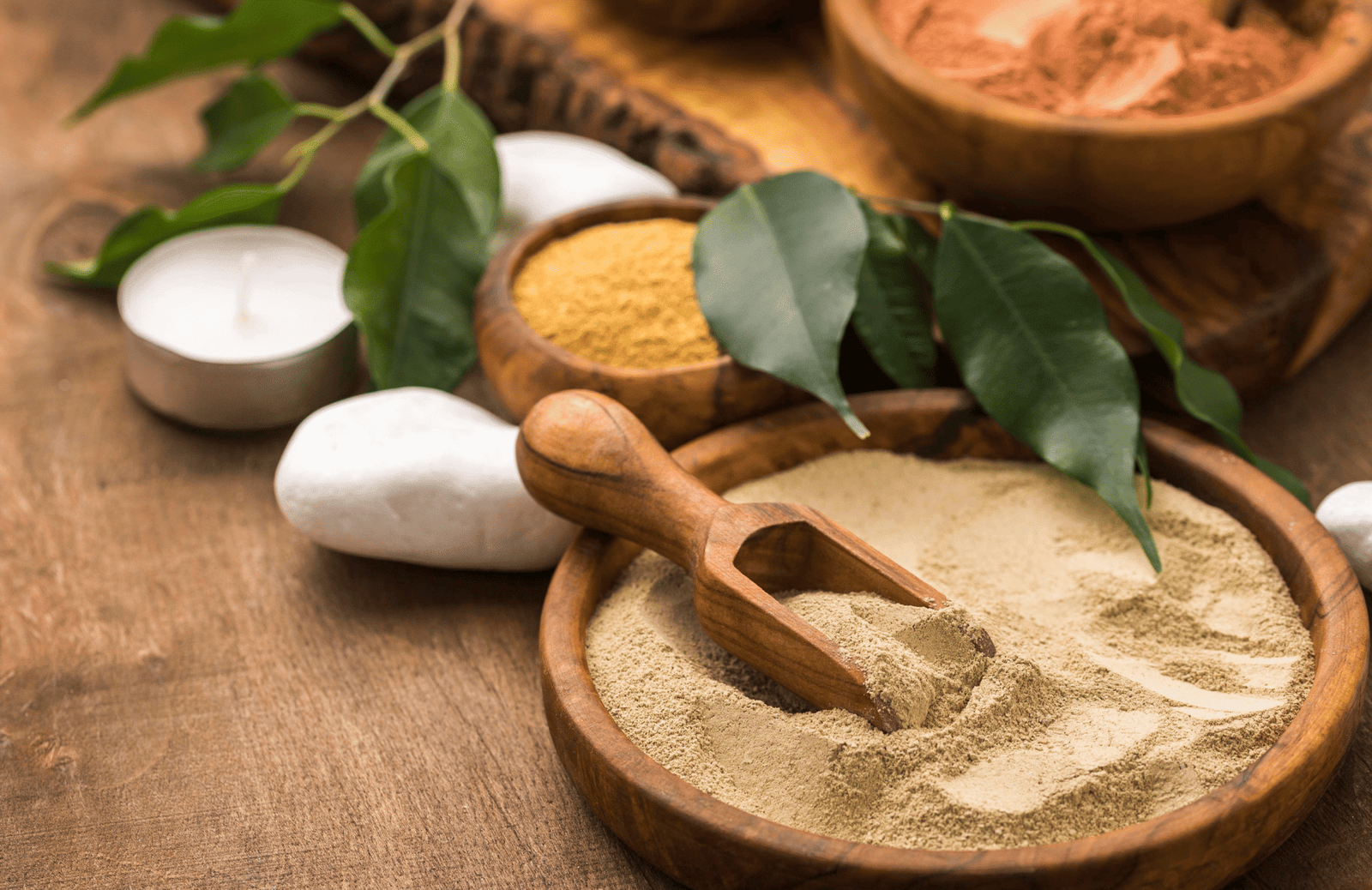
Ashwagandha: The Ancient Ayurvedic Superfood for Modern Wellness
Ashwagandha (Withania somnifera), often called Indian Ginseng or Winter Cherry, is one of the most revered herbs in Ayurveda. For over 3,000 years, it has been used to promote vitality, reduce stress, and enhance longevity. Today, Ashwagandha has become a global wellness trend, backed by modern science and embraced by millions seeking natural solutions for stress, energy, and holistic health.
Recent research shows a surge in scientific interest: the number of studies on Ashwagandha more than doubled between 2019 and 2024, highlighting its growing recognition in clinical applications. This blog explores Ashwagandha’s history, benefits, scientific evidence, usage, and its role in modern wellness
What is Ashwagandha?
Ashwagandha (Withania somnifera) is a small evergreen shrub in the nightshade family, with roots that are used as the primary medicinal part of the plant. In Sanskrit, its name is often linked to the “strength of a horse,” reflecting its reputation in Ayurveda for promoting resilience, stamina, and longevity.
In classical Ayurvedic texts, ashwagandha is described as a “rasayana,” or rejuvenating tonic, used for people who feel weak, anxious, or fatigued. Today, it is widely marketed as an “adaptogen,” a herb believed to help the body adapt to physical and emotional stress and maintain balance.
Key Health Benefits of Ashwagandha
1. Stress Relief & Anxiety Reduction
- Ashwagandha is a powerful adaptogen, helping the body adapt to stress.
- Clinical studies show it reduces cortisol levels, the primary stress hormone.
- Regular use promotes calmness, emotional balance, and resilience.
2. Energy & Stamina
- Enhances physical endurance and combats fatigue.
- Athletes use Ashwagandha to improve recovery and performance.
- Unlike stimulants, it provides sustained energy without crashes.
3. Cognitive Function & Mental Clarity
- Supports memory, concentration, and learning ability.
- Beneficial for students, professionals, and entrepreneurs.
- Research highlights its neuroprotective properties, reducing oxidative stress in the brain.
4. Immune System Support
- Rich in antioxidants, Ashwagandha strengthens natural defenses.
- Helps fight infections and supports overall immunity.
5. Sleep & Relaxation
- Promotes deeper, restorative sleep by calming the nervous system.
- Useful for those struggling with insomnia or irregular sleep cycles.
6. Hormonal Balance
- Supports thyroid function and reproductive health.
- Traditionally used to enhance vitality and fertility.
Modern Scientific Evidence
- Stress & Anxiety: Randomized trials confirm Ashwagandha’s role in lowering stress and improving well being.
- Sleep Quality: Studies show improved sleep onset and duration.
- Immunity: Research highlights its antioxidant and anti inflammatory effects.
- Global Surge: Scientific publications on Ashwagandha rose by over 111% between 2019 and 2024.
Ashwagandha in Ayurveda: More Than a Trend
Long before it was turned into capsules and gummies, ashwagandha was a staple in classical Ayurvedic formulations. Practitioners used it for people who were weak, fatigued, anxious, recovering from illness, or struggling with poor sleep and low vitality. It was often combined with other herbs, ghee, or milk, and taken regularly over a period of time rather than as a one time “quick fix.”
Traditionally, ashwagandha has been associated with several key actions in the body:
- Supporting strength, stamina, and physical resilience
- Calming an overactive mind and easing nervous tension
- Promoting sound sleep and helping with insomnia like complaints
- Nourishing the reproductive system and supporting vitality
Ayurveda looks at health holistically, so these uses were rarely isolated from diet, lifestyle, and other therapies. A practitioner might recommend ashwagandha alongside daily routines (dinacharya), breathing practices, or specific foods, aiming to support the entire system rather than only chasing one symptom
How Ashwagandha Works
Scientists are exploring how compounds in ashwagandha, especially withanolides, may influence the body’s stress response systems. Evidence points to effects on the hypothalamic pituitary adrenal (HPA) axis and cortisol regulation, which are central to how the body responds to chronic stress.
Laboratory and animal studies also suggest antioxidant and anti inflammatory properties, which may help protect cells from oxidative damage and modulate inflammatory pathways. These mechanisms could partly explain its traditional use for general vitality, immune support, and recovery from illness.
Forms, Dosage, and Best Time to Take
Ashwagandha is available as root powder, standardized capsules or tablets, liquid extracts, and more recently as gummies and functional beverages. Many modern studies use standardized root extracts that specify a certain percentage of withanolides, helping ensure more consistent dosing between products.
Common studied doses range around 250–600 mg of standardized root extract per day, often split into one or two doses with food over 6–12 weeks. People seeking stress support may take it in the morning or with the main meal, while those focusing on sleep sometimes prefer an evening dose, although individual responses vary.
Safety, Side Effects, and Precautions
For most healthy adults, ashwagandha appears “possibly safe” when used orally in typical doses for up to about three months, though long term safety data are limited. Reported side effects include digestive upset, diarrhea, nausea, drowsiness, and headache, particularly at higher doses.
Certain groups should avoid or be very cautious with ashwagandha, including pregnant women, people with autoimmune conditions, those with liver disease, and individuals taking medications for thyroid, blood pressure, immunosuppression, or sedation. Rare cases of liver injury have been associated with ashwagandha supplements, so anyone developing symptoms such as jaundice, dark urine, or severe fatigue should stop use and seek medical advice immediately.
Choosing a Quality Supplement
Because supplement quality can vary, it is important to choose ashwagandha products from reputable brands that clearly identify the plant part (preferably root), extraction type, and standardized withanolide content. Third party testing and quality certifications can help confirm that the product is free from contaminants and matches its label claims.
Avoid products that make bold disease treatment promises or rely on vague “proprietary blends” without listing exact amounts, as these can be red flags. Reading labels carefully and, when in doubt, consulting a healthcare professional can help you select a product that fits your needs more safely.
Conclusion
Ashwagandha is more than a supplement it’s a bridge between ancient wisdom and modern science. With proven benefits for stress relief, energy, immunity, and sleep, it empowers individuals to thrive in today’s demanding world. Sustainably sourced and organically grown, Ashwagandha represents holistic wellness at its best.