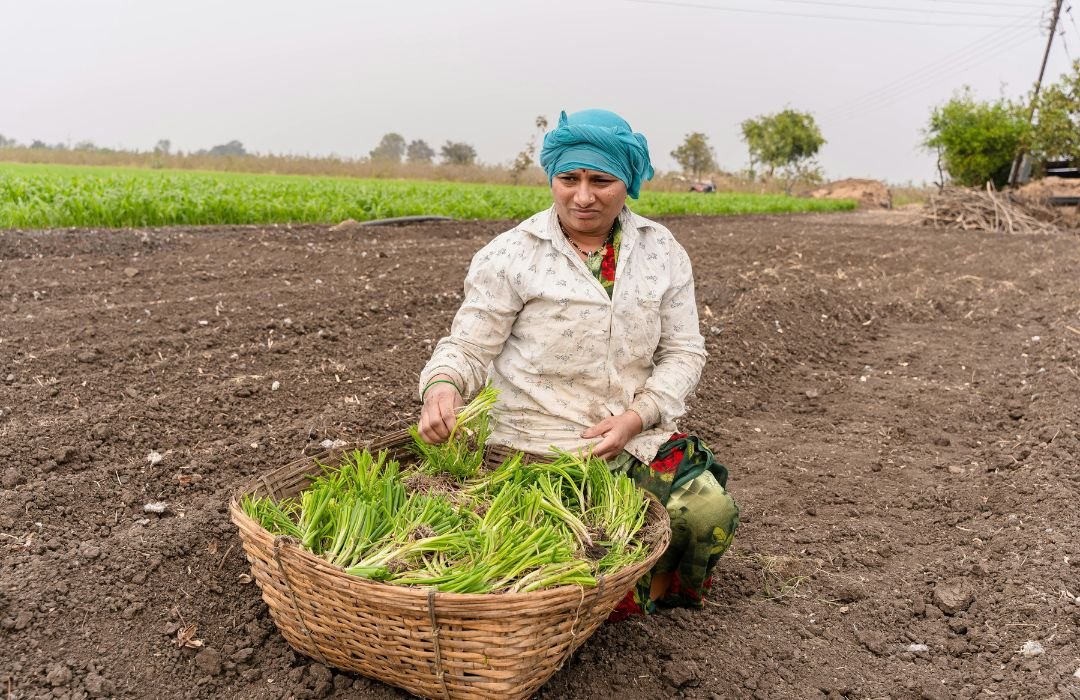

Top 20 Benefits of Organic Farming for Soil, Health, Environment and Economy (2026 Guide)
Organic farming has become one of the most important agricultural movements of the 21st century. As the world faces rising soil degradation, water scarcity, climate change and health concerns linked to chemical farming, organic agriculture offers a sustainable and science backed alternative.
It is not merely a cultivation method. It is a holistic system that protects soil, enhances biodiversity, improves human health and ensures long term agricultural resilience.
India, with its rich agricultural heritage and diverse ecosystems, is uniquely positioned to lead the global organic revolution. With increasing consumer demand for chemical free foods and superfoods, organic farming is becoming essential for brands like Herbaleco that prioritize purity, sustainability and farmer empowerment.
1. Environmental Benefits of Organic Farming
Organic farming is designed to work in harmony with nature. It reduces pollution, protects ecosystems and restores ecological balance.
Benefit 1: Reduced Chemical Pollution
Conventional farming relies heavily on synthetic fertilizers, pesticides, herbicides and fungicides. These chemicals contaminate soil, groundwater, rivers, air and food.
Organic farming eliminates these pollutants by using natural inputs such as compost, neem oil and biofertilizers.
Benefit 2: Improved Air Quality
Chemical pesticides release toxic fumes that contribute to air pollution. Organic farming avoids these substances, resulting in cleaner air and healthier farm environments.
Benefit 3: Protection of Water Bodies
Chemical runoff from farms is a major cause of water pollution. Organic farming helps prevent eutrophication, algal blooms and groundwater contamination. Natural fertilizers break down easily and do not harm aquatic ecosystems.
2. Soil Health Benefits
Healthy soil is the foundation of sustainable agriculture. Organic farming focuses on building soil fertility naturally.
Benefit 4: Enhanced Soil Fertility
Organic matter such as compost and manure improves soil structure, nutrient availability and microbial activity. This leads to long term soil fertility and higher nutrient density in crops.
Benefit 5: Increased Organic Matter Content
Organic farming increases soil organic carbon, which improves water retention, aeration, root development and soil resilience. Soil organic carbon is essential for climate resilient agriculture.
Benefit 6: Prevention of Soil Erosion
Practices such as mulching, cover cropping and crop rotation reduce soil erosion caused by wind and water.
Benefit 7: Improved Soil Microbial Diversity
Healthy soil contains billions of microorganisms per gram. Organic farming enhances microbial life that breaks down organic matter, fixes nitrogen, improves nutrient cycling and protects plants from diseases.
3. Water Conservation Benefits
Water scarcity is a major challenge in India. Organic farming helps conserve water naturally.
Benefit 8: Better Water Retention in Soil
Organic matter acts like a sponge, increasing the soil’s ability to hold water. This can reduce irrigation needs by twenty to forty percent.
Benefit 9: Reduced Water Pollution
Because organic farming avoids synthetic chemicals, there is no harmful runoff into rivers, lakes or groundwater.
Benefit 10: Efficient Water Use Through Natural Practices
Organic farmers commonly use drip irrigation, mulching, rainwater harvesting and contour farming. These methods improve water efficiency and reduce wastage.
4. Biodiversity Benefits
Organic farms support a wide range of plant and animal life.
Benefit 11: Protection of Beneficial Insects
Chemical pesticides kill both harmful and beneficial insects. Organic farming protects bees, butterflies, ladybugs and earthworms that are essential for pollination and soil health.
Benefit 12: Increased Plant Diversity
Organic farms often grow multiple crops, which reduces pest outbreaks, improves soil fertility and enhances ecosystem stability. Monoculture farming weakens ecosystems.
Benefit 13: Support for Wildlife
Organic farms provide safer habitats for birds, small mammals, amphibians and reptiles, contributing to ecological balance.
5. Climate Benefits
Organic farming plays an important role in climate change mitigation.
Benefit 14: Reduced Greenhouse Gas Emissions
Chemical fertilizers release nitrous oxide, a potent greenhouse gas. Organic farming reduces emissions by avoiding synthetic inputs.
Benefit 15: Increased Carbon Sequestration
Organic soils store more carbon, helping reduce global warming. Practices such as composting and cover cropping enhance carbon capture.
6. Health Benefits
Organic farming produces safer and healthier food.
Benefit 16: Chemical Free Food
Organic crops contain no synthetic pesticide residues. This reduces the risk of hormonal imbalance, neurological disorders, cancer and allergies. Consumers increasingly prefer organic foods for long term wellness.
Benefit 17: Higher Nutrient Density
Research shows that organic foods often contain more antioxidants, higher vitamin levels, better mineral content and stronger phytochemicals. This is especially important for superfoods such as moringa and wheatgrass.
7. Economic Benefits
Organic farming can be highly profitable when managed correctly.
Benefit 18: Higher Market Prices
Organic produce often sells at a premium of twenty to fifty percent due to high demand and limited supply.
Benefit 19: Lower Input Costs
Organic farming reduces spending on chemical fertilizers, pesticides and herbicides. Natural inputs such as compost and cow dung are cost effective and sustainable.
Benefit 20: Growing Export Opportunities
India is a major exporter of organic spices, tea, coffee, superfoods and medicinal herbs. Global demand continues to rise, creating new income opportunities for farmers.
8. Social and Ethical Benefits
Organic farming supports rural communities and ethical food systems. It encourages fair pricing, ethical sourcing, community based farming and reduced dependency on chemical companies. This aligns with Herbaleco’s mission of empowering farmers.
9. Benefits for Superfood Cultivation
Superfoods such as moringa, wheatgrass, ashwagandha, spirulina and turmeric thrive in organic systems. Organic farming enhances nutrient density, antioxidant levels, medicinal properties, purity and safety.
This is why Herbaleco sources only organically grown superfoods.
10. Herbaleco’s Role in Promoting Organic Farming
Herbaleco is committed to sourcing only organically grown ingredients, supporting regenerative farming practices, empowering farmers through training and fair pricing and ensuring complete traceability from farm to consumer.
Herbaleco’s mission aligns closely with the core principles of organic agriculture.
Conclusion
Organic farming is essential for the future of agriculture, human health and environmental sustainability. Its benefits go far beyond chemical free food. Organic farming restores soil, protects biodiversity, conserves water and supports rural livelihoods.
As India moves toward a more sustainable agricultural model, organic farming will play a central role in ensuring long term food security and ecological balance. Herbaleco remains committed to promoting organic farming through ethical sourcing, farmer partnerships and a strong focus on purity and sustainability.